The fears of Artificial intelligence. A threat that looms over us daily, growing in actuality with each technological advancement.
When we hear the term AI dangers, the majority will envision a terminator-like, overboard scenario. Whilst the others will think of a more approachable problem. Like the fears of job loss, retention of human workers, rising costs and requirements of technology, as well as from a power perspective- AI being used to produce absolutely devastating weapons and attacks if in the wrong hands.
These problems here may be just the tip of the iceberg, but they are some of the most major ones that have struck concern in society.
But like all fears, they can be managed by any means-
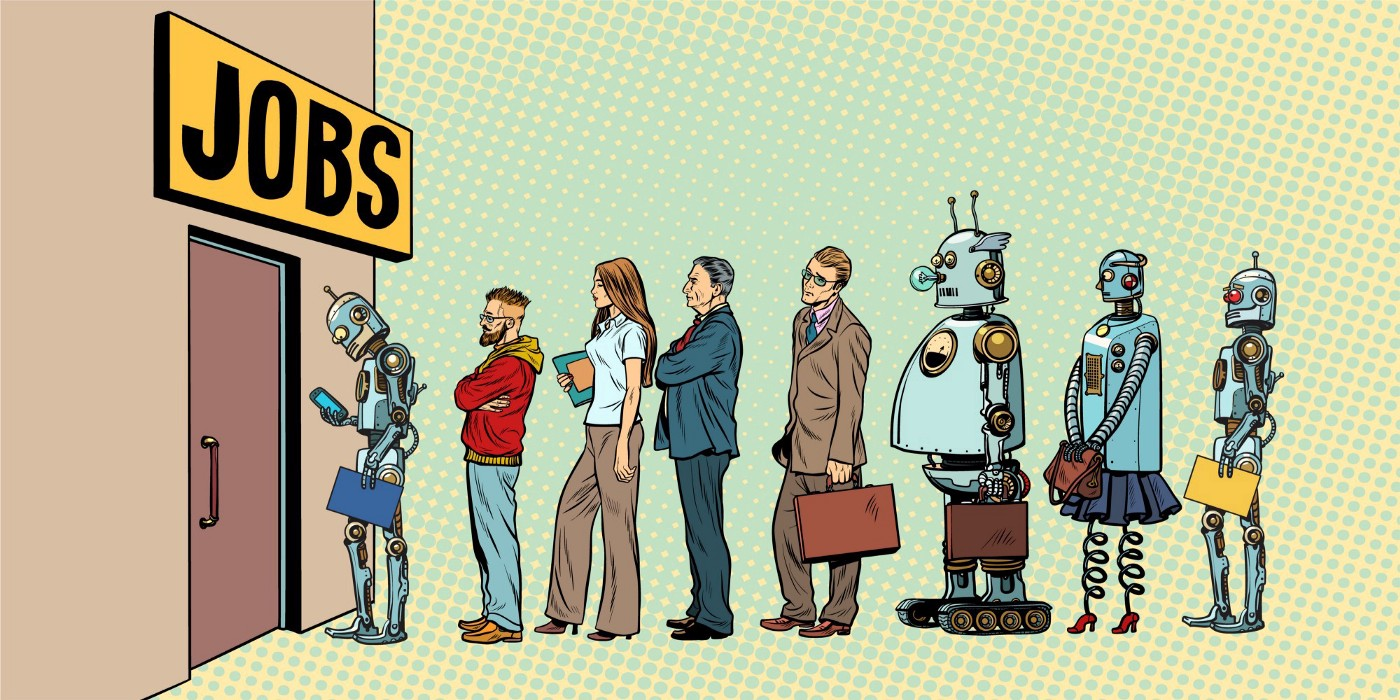
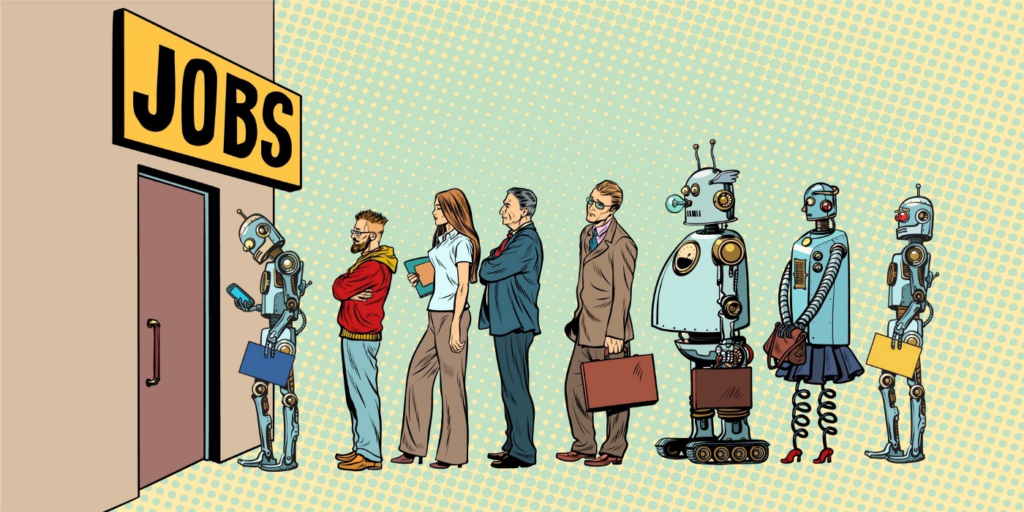
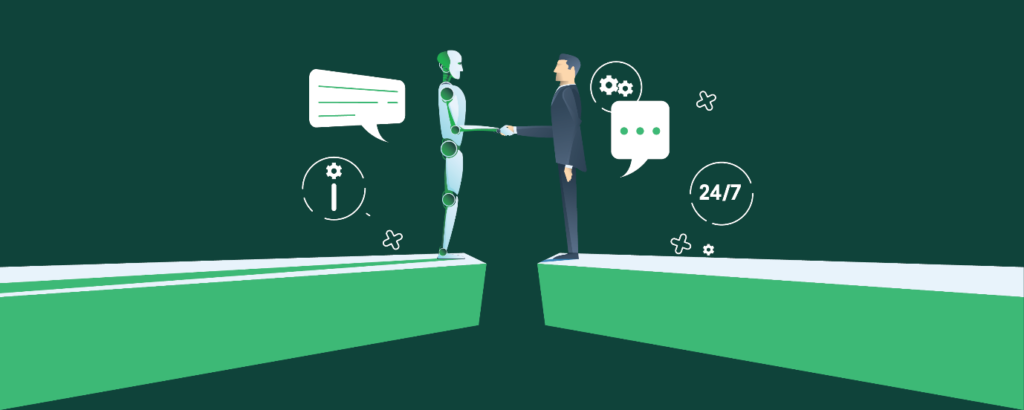
- Job security & employee retention- AI is in no doubt, much more efficient (and long-term cheaper) than their Human counterparts. Which is why employees may be fearful that one day, AI may take over their jobs and leave them redundant. On the other side, employers are distraught with low retention rates due to staff leaving, thanks to the aforementioned fear of Ai taking over jobs. A simple way to manage this is to (1) teach the employees that if they do integrate AI, it will be there as a means to boost employee productivity; the AI was integrated so they could work in tandem with the workers. Or (2) -which is similar to (1)- is to through applying it for the best use case, being monitored, by mixing the best of both worlds- combining AI and humans together in one workplace. This way, in a physical sense, seeing the Ai being monitored whilst they work may give the employees a sense of security and maybe even superiority. Which will keep them working for the company in (hopefully) high spirits.
- Rising costs and requirements of technology- companies looking to integrate AI into their daily processes are often put off by the immense costs of building, integration and maintenance of an AI. One of the best ways to combat this is by weighing the pros and cons, as well as thinking about the industry (technology) as a whole. For instance- AI is highly productive, and brings a multitude of new skills into the workplace. It drives down the time required for certain processes, making your day-to-day processes much more efficient and effective. However, there are costs involved in bringing AI to your workplace, and they are expensive. AI also may not be suitable for certain industries due to the types of processes they need to do.
From a future standpoint, with the technological sector booming, it is highly possible for AI to be more commonplace in the world. As well as people who specialise in such technology. With more skilled workers, competition will improve, driving down development costs. This means that you may be able to integrate AI for exponentially cheaper prices.
- AI being developed to create dangerous weapons and attacks- this concern is arguably the most feared one out of all. Luckily, there are procedures and action plans to make sure that AI will not be used for terrorist attacks. Unfortunately, there’s no stopping the worlds militaries from utilising AI in weapons, such as the US and UK’s military. On the other hand, developing weapons with AI can include automated weaponry, which means that soldiers will not have to risk their lives to fight in a fruitless battle. Using AI to remotely pilot vehicles and operate weaponry will indeed save lives of the soldiers (the same may not be able to be said for the other side though)
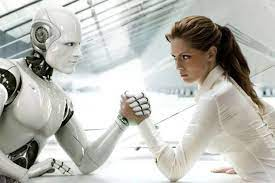
All in all, the threats of AI are not to be taken lightly, nor should it be taken extremely seriously. AI is a revolutionary tool, and will help us in countless ways in a countless number of scenarios. These above factors have all made potential investors, developers and clients steer clear of the concept entirely. Meaning that today’s AI are potentially less developed than they would have been. Which is unfortunate due to the immeasurable value it already provides. What to really take from this is to freely develop AI, but to do so with a grain of salt.