AI in agriculture – Fruitless? or a seed of possibilities?
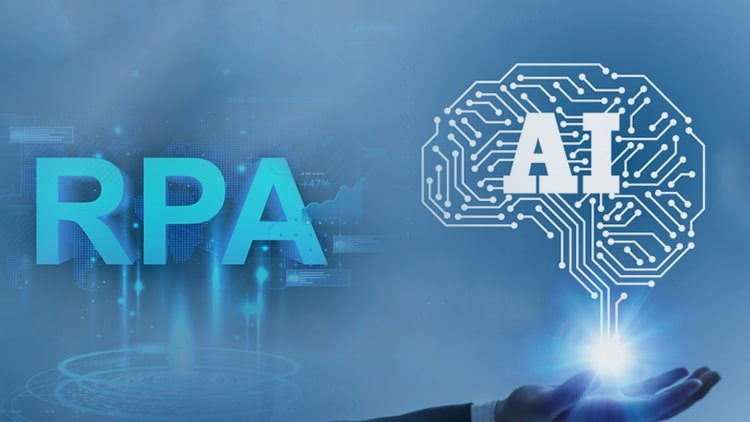
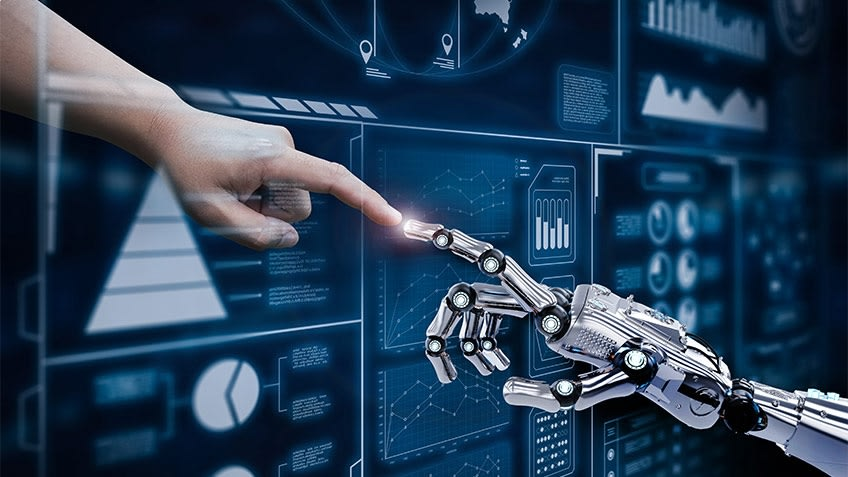
AI (artificial intelligence) is something that needs no explanation. It is a way to describe a machine that has been programmed to independently think like a human does, or at the very least, stimulate human thinking. AI is able to (just like a human) learn from past mistakes and change things so that it does not make that same mistake again. It can perform human like tasks, such as evaluation of a situation and adapting to new inputs/environments. AI technology is important because it enables both basic and superior human capabilities – understanding, reasoning, planning, communication, and perception – to be adopted by software efficiently and at low cost.
Demonstrations with AI have proven that AI have beaten peoples in games, such as a multitude of videogames and even in chess, against a grandmaster! In 1997, an AI called ‘Deep Blue’ emerged victorious in a chess match against THE Garry Kasparov, a highly renowned chess grandmaster and a former world chess champion for a record 255 months. This victory alone is a testament to AI’s ‘superior’ decision making and computational thinking.
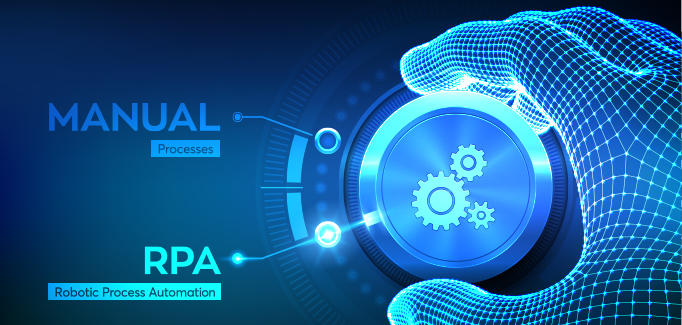
The potential for AI is limitless. Right now, AI drives down the time taken to perform a task whilst also operating 24/7 without any downtime. This spells nothing but efficient, both in costs and the (amount of) work done. As AI can work practically all year around with extremely little ‘breaks’ (servicing) and are extremely precise and accurate, they allow the organisation to save costs. This is because human workers need breaks, and can be inconsistent with their work, sometimes leading to faults/errors meaning that the product or time is wasted, something very valuable to businesses. And aforementioned, ai can work absolutely continuously and accurately, therefore giving way to significantly less time, money and resources wasted, something very important in agriculture.
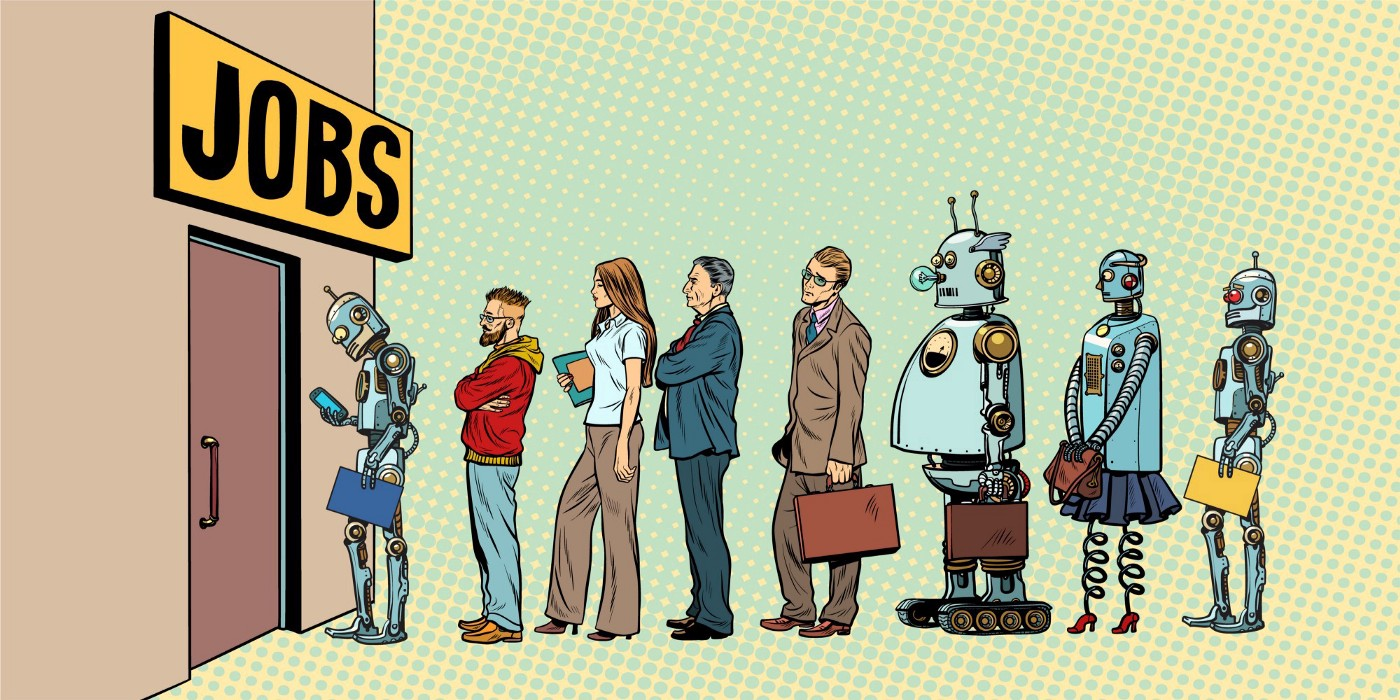
However, as appealing the advantages may be, we have to shed light on the other side of the coin. That being of course, the ‘reputation and portrayal’ of AI. More specifically, the general anxiety about machine intelligence, the fear of mass unemployment (creating extremely low retention rates), concerns about putting the power of AI into the wrong people’s hands (public danger and violence) and the substantial fear that AI will overtake humans soon enough (Not in the Skynet/Terminator-esque way though). These factors have all made potential investors, developers and clients steer clear of the concept entirely.
There are already some ‘worries’ involving AI, such as the US (and other) military(ies) utilising AI to man drones, warships and predict outcomes and events.
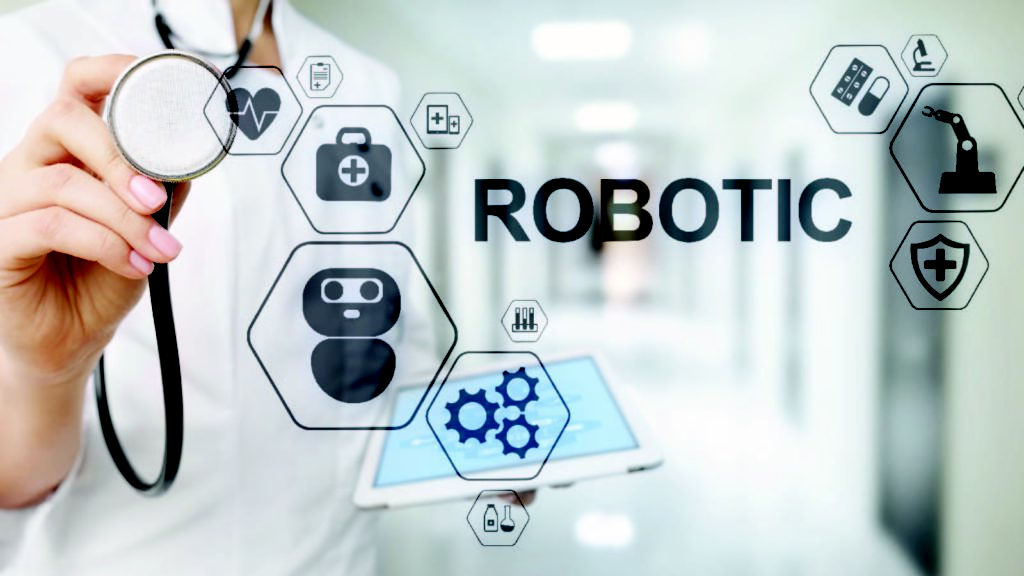
All these fears, whilst they do come from a rational place, are being irrationally exaggerated by others. We have many ways to address such problems that involve and will involve AI, through applying it for the best use case, being monitored, by mixing the best of both worlds- combining AI and humans together in one workplace. “In cases like [healthcare], AI is best employed as a form of decision support for human experts. That is, you do not let AI operate alone and without oversight. You integrate AI into an existing decision-making process, where it can make suggestions to a human expert, but the expert will be the one to make a final decision, and they will be able to explain why they made it’’. (Cited from ‘5 AI fears and how to address them’)
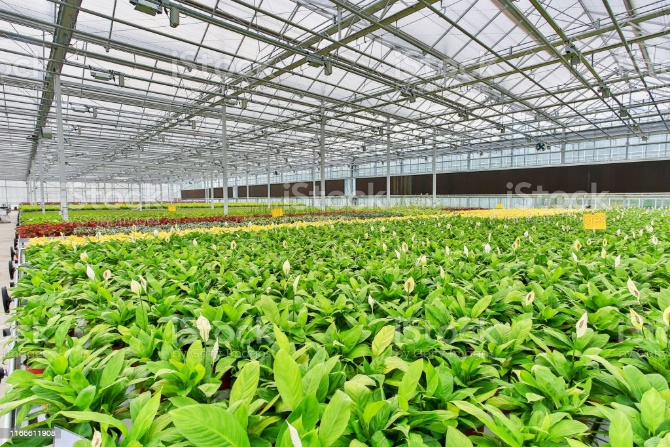
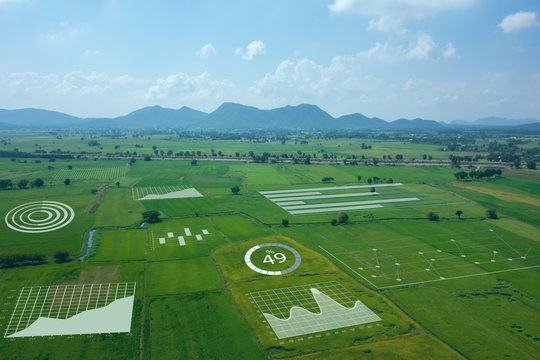
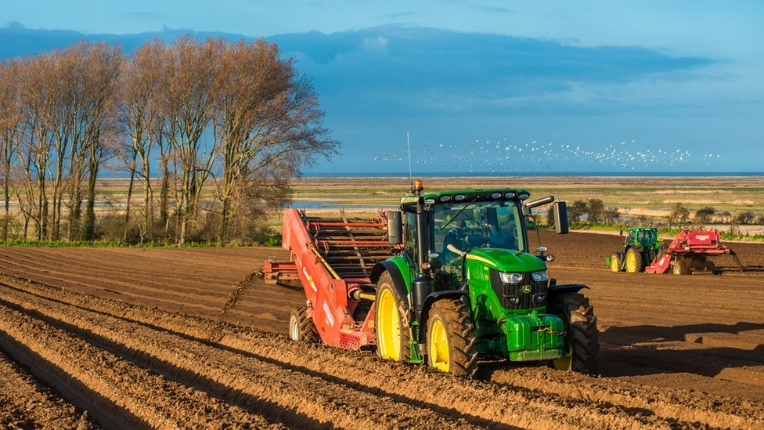
In certain industries, such as Agriculture- the AI can monitor crops and so can efficiently harvest, water, plant and do many more things to aid farmers in agriculture. Having an automated and machine learning system such as AI can increase crop yield drastically, cut costs, and will constantly learn to be more efficient. It can help in developing countries too, by being preprogramed with base and developed knowledge, they can ‘teach’ and help 3rd world farmers identify crop disease before its too late, help them improve sowing/seeding/watering cycles to increase crop yield as well as healthier plants, allowing more people to be fed. However (much like humans), some of the information the AI takes in and learns may be wrong, with consequences being poor crop health and yield, which will result in huge losses for the industry and the farmers, not to mention for the billions of people it feeds.
In short, AI is essentially a ‘‘human’’ without a physical body. It is made to somewhat replace humans in doing repetitive, monotonous tasks as well as work with humans to share the workload and make work life easier for them. It is expensive to make, maintain and so on, not to mention the Skynet-like, job stealing image some associate AI with. But at the end of the day, AI is extremely useful, and can (possibly) exponentially better our lives through some of the processes it may automate, such as healthcare, agriculture and so on.
https://enterprisersproject.com/article/2019/9/artificial-intelligence-ai-fears-how-address