Logistics is the activity of transporting goods from place A, to place B. logistics can include a multitude of vehicles such as vans, lorries, ships, airplanes and more. Be it from a warehouse to a door, or from a factory to a shop, logistics covers any movement of goods, by all means of transportation.
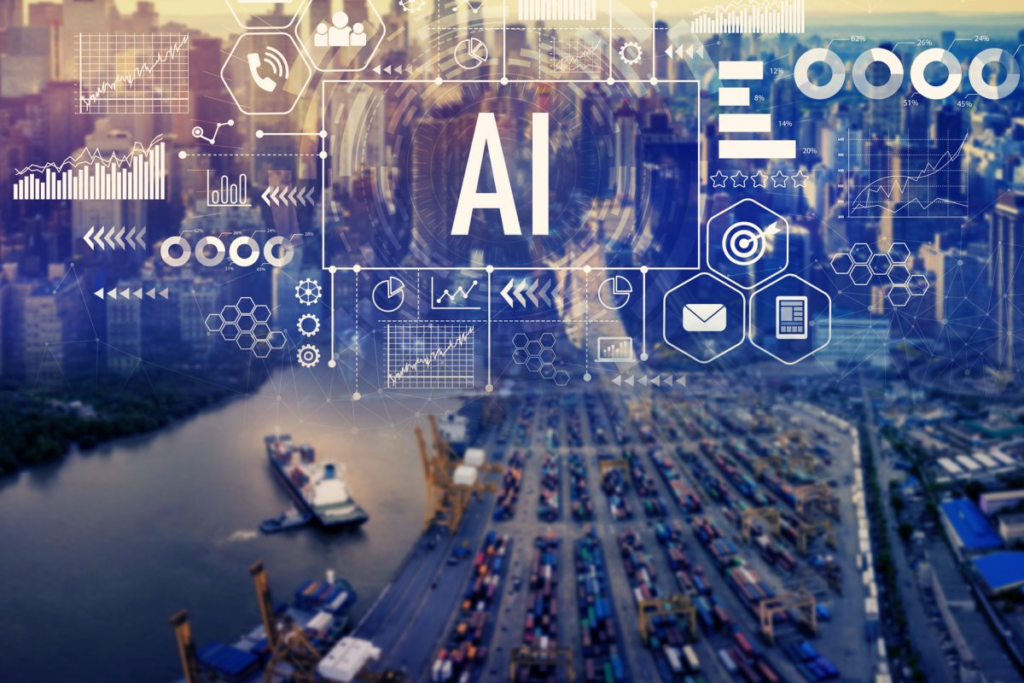
AI (Artificial Intelligence) is a term coined to describe intelligence demonstrated by machines. As opposed to the natural intelligence seen by animals and humans. AI has a multitude of capabilities, it is data driven, and can work with both structured and unstructured data, making it very versatile. AI is equipped with deductive analysis, and so is based on arithmetical methods, computational intelligence and intelligent, constantly developing algorithms. This means that it allows for use cases such as analysis, image + voice recognition, deep learning and machine learning and much, much more.
Seeing that some everyday transport mediums (personal cars etc.) utilise AI along with sensors and cameras, such as self-driving cars, AI is already prevalent within the transport industry, mostly in the personal transport side however.
To put AI into the logistics processes, can mean many things such as:
- AI in handling goods- loading up trucks with correct goods and volume of goods autonomously
- AI in actual transportation- AI driven lorries/ships/vans in the place of humans (self-driving lorries for example)
- AI in route management- AI can watch over many vehicles transporting goods, and ‘look ahead’, diverting the vehicles so that they do not get stuck in traffic or closed off routes, therefore allowing goods being delivered earlier or on time (increases customer satisfaction)
- Handles invoices and orders processing- autonomously sends order invoices to customers, and handles orders placed.
These are just the ‘tip of the iceberg’. With AI in logistics, there are countless possibilities as to what you can do.
Seeing that AI is precise and very well capable of handling arising issues on a day-to-day basis, there are a number of advantages, as well as disadvantages to AI in logistics.
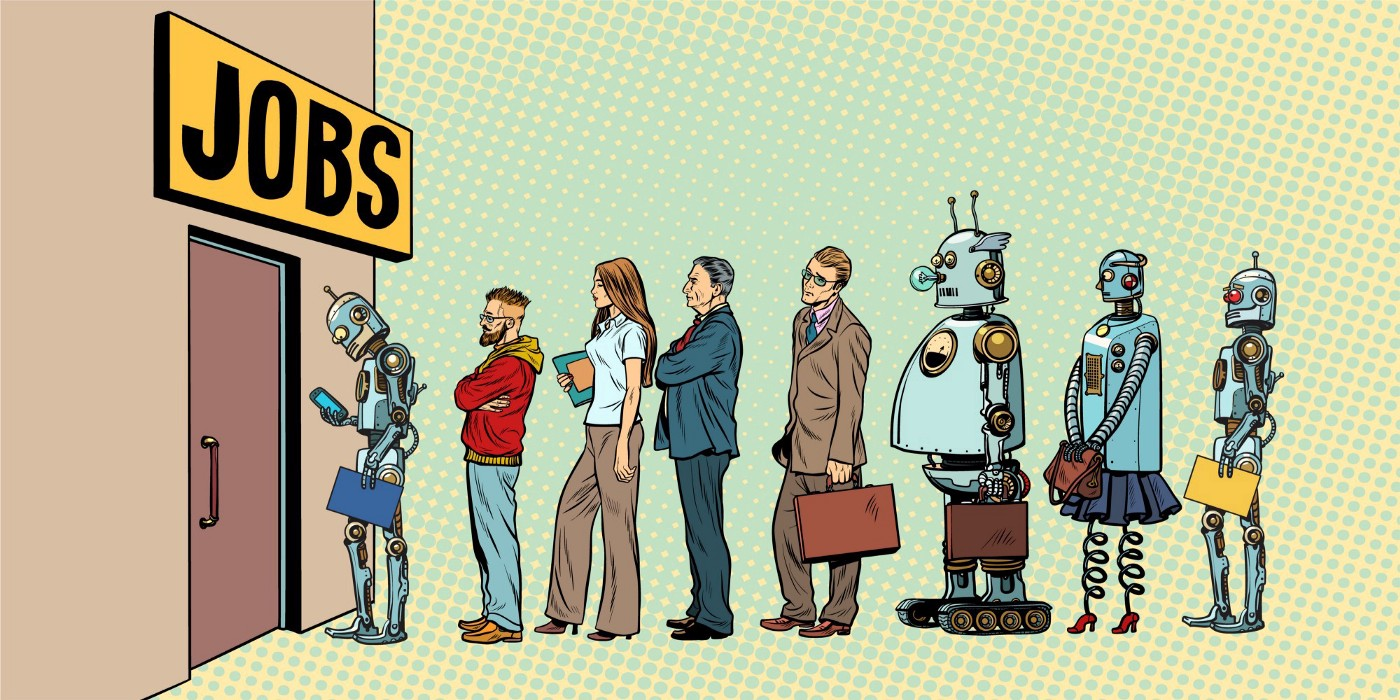
As AI can work constantly with little downtime, much fewer human workers are needed to run operations, with AI being able to manage them, along with a workforce of RPA/robots. This will save a significant amount of costs as well as time for the business as human workers will take longer to run operations, as well as potentially costing more.
Furthermore, AI can learn from past experiences, so in a situation where an AI is watching over a certain gods vehicle, and it spots traffic patterns in the vicinity. Using its machine learning, it can anticipate or make assumptions about traffic or delays that will happen if the vehicle continues its route. With this information, the AI can calculate other routes that the vehicle can take, and which ones would be the best fit (in terms of time and patterns) the AI can then divert the vehicle (by notifying the driver etc.) and telling him to go there and there. If successful, the driver can reach their destination at least on time. Which will ultimately save the company’s reputation as well as boost their credibility for reliability.
However, there are a few problems with choosing AI for logistics. One being the immense costs for creating an AI, as well as its maintenance. AI are machines that can stimulate human intelligence, it should be no surprise that costs so build one to certain uses and specifications will be considerably high. Not to mention the costs of maintenance, you’d need specifically skilled individuals to carry out maintenance work on the AI, which will be costly and require downtime, which may cause problems to your everyday processes.
An age-old ethical question can also be raised once again, about whether to hit a group of elderlies to save a bunch of adolescent children (or vice versa). As a disadvantage, this question could mean the decisive capabilities of an AI. It may choose the socially and morally wrong decision in times where there is an emergency, raising fears of letting AI out within society- on our roads, shops, trains and jobs. This may hold back development of AI within companies and may withhold development. In logistics case, the industry may be scrutinised for letting AI manage dangerous HGV vehicles.
Overall, despite the cons, AI in logistics will be a game changer when further developed and implemented. On the costs side, you can consider it an investment- A large sum for an undeniably high efficiency for your company. Even the ethical problems can be managed by proving to society that AI can take morally right and correct decisions in an emergency, which will take time and development, but it can be done.