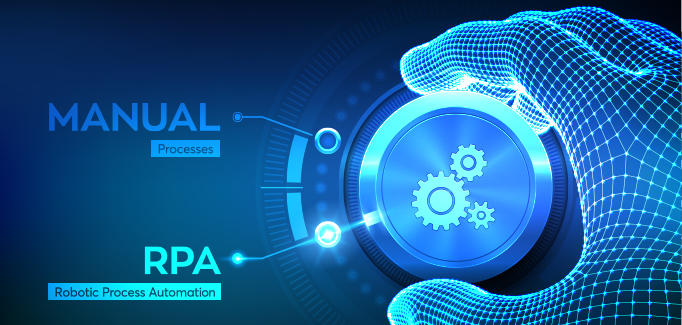

RPA is Robotic Process Automation. It is used for automation of mainly back-office tasks that are usually given to humans to do, such as data extraction, data filing and organisation, and many other manual and computer-based tasks.
Because RPA allows businesses to automate very manual and monotonous tasks that consume a significant amount of human effort and time, businesses can free up their human workforce to work on other aspects that can better help the business. This obviously saves both valuable time and money for the business, leading to faster growth and higher efficiency.
Furthermore, RPA bots are extremely accurate, quicker, and much more consistent than humans, meaning there are significantly less error intervals, delays, and faults. All of which can hinder business processes. Especially in banking, where it is mandatory you have consistent accuracy, security, speed, and little errors since you would be dealing with money and currencies, the centrepiece of economy, and how the world functions.
However, with RPA, as productive as it may be, there are also some flaws. Some of which can be cost- RPA will require upfront capital and will need you to hire skilled staff to maintain the bot. This will undoubtedly lead to very high costs- which for banking would be high, as the bot will have to be built for certain specific functions whilst also adhering to regulations for data handling and other tasks.
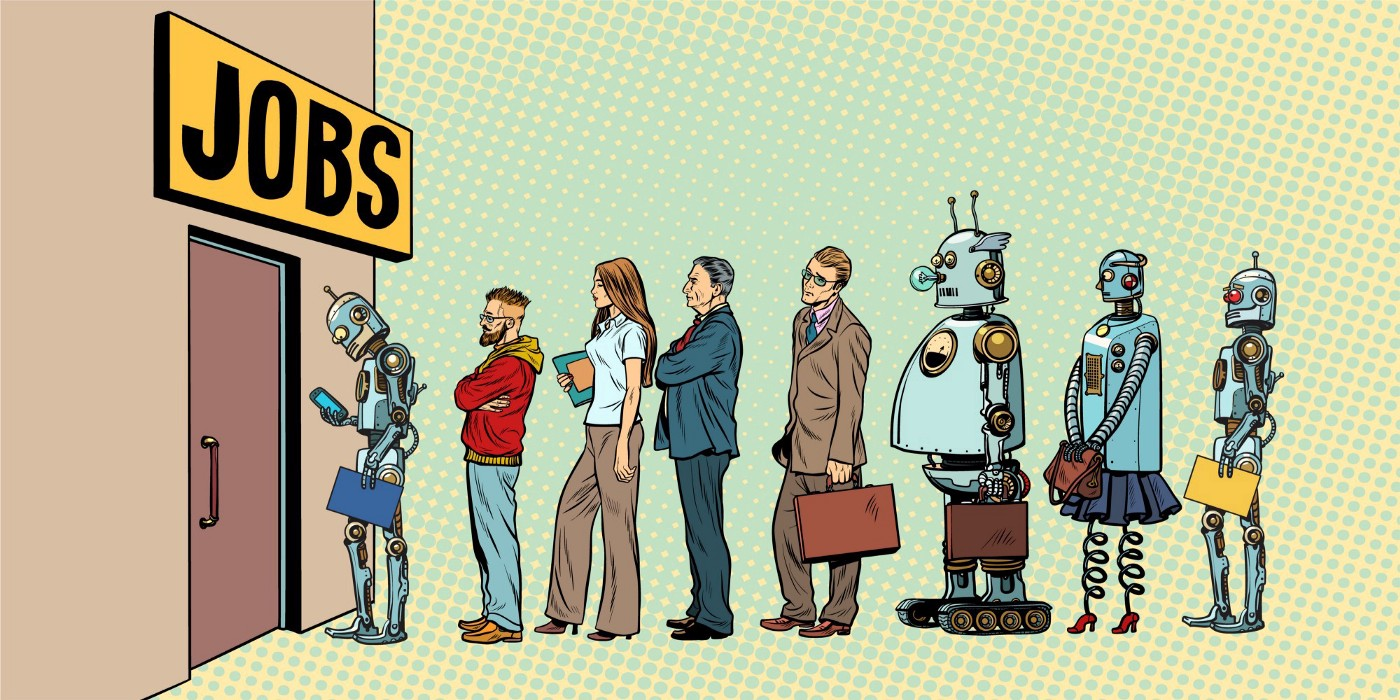
Another unfortunate downside is the reputation of RPA, whilst some claims of RPA taking over jobs and requiring constant, expensive attention of its upkeep are true, they are only true to some extent. RPA is designed to also support the (existing) employees, and once trained, employees can ‘work’ the RPA or BOT. Due to the reputation however, (especially from the job-claiming standpoint) future employees may often steer clear from the business due to redundancy fears, this is also a major reason as to why some businesses have not adopted RPA yet. They have worries that introducing RPA will cause job security fears and lead to an extremely low employee retention rate. Which, considering the banking industry, would have been extremely hazardous to the business/ (bank).
For specific industries such as the Banking industry:
- RPA can be used to confirm appointments with customers, pull up their information from the bank’s systems, and (using machine learning) suggest which financial routes are most likely to be of interest to them.
- It can also be beneficial in processes such as loan applications and approval, drastically cutting the time it takes for clients to receive a decision on their request.
- The machine can also quickly do data related tasks such as filing, extracting, and editing. This highly improves customer service, as well as waiting times, resulting in more time and money saved.
- RPA in banking will offer superior customer service, staff efficiency as well as well as being easier to comply with legal and regulations.
- On the other hand, using a software means it is susceptible to attacks, this poses an indefinite threat to client data and money, this also can be said for traditional banking methods though.
Overall, whether or not to implement RPA is the industry’s choice (as well as society’s, arguably). But from what you can see, the major drawbacks are the doubts of RPA and humans in a job, as well as a financial standpoint. Both of which can be easily fixed. RPA’s pros heavily outweigh the cons and so proves to be useful to implement in majority of cases.